What is mold?

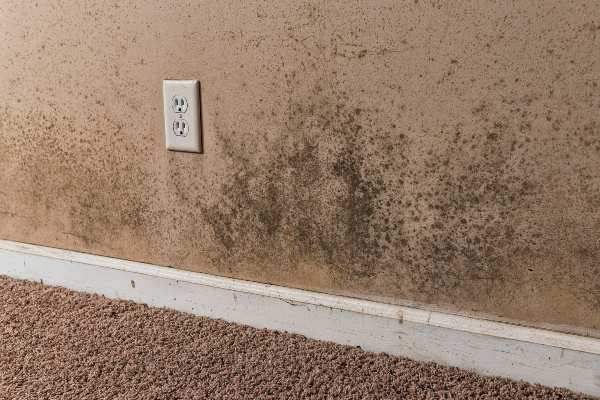
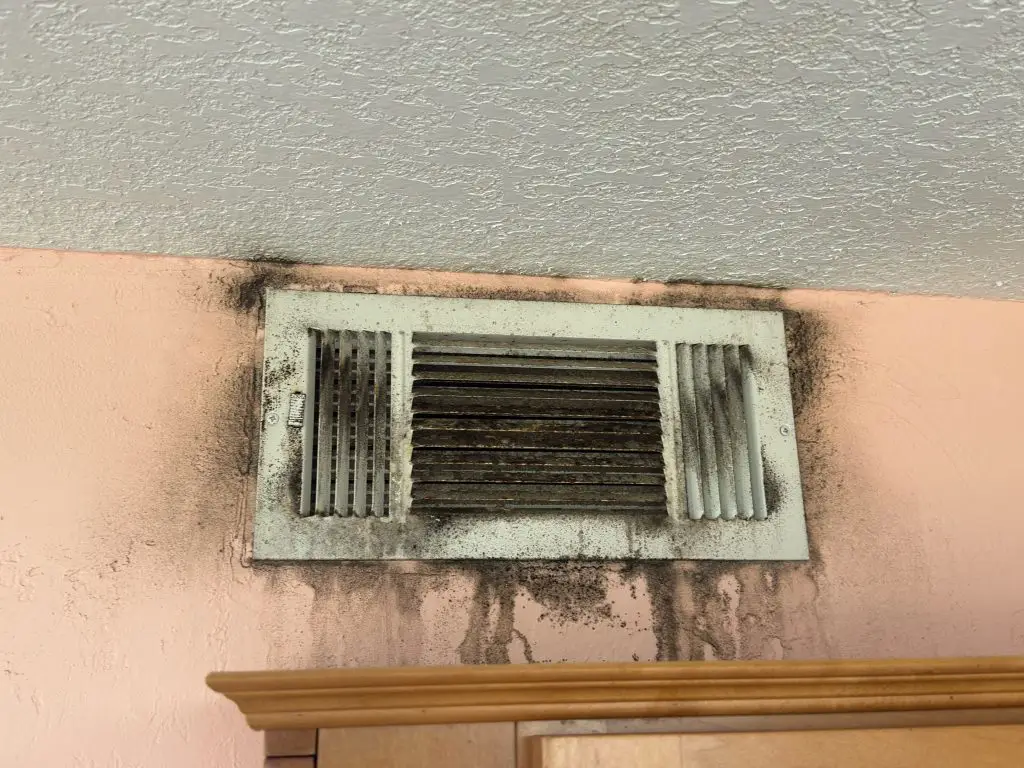
Mold is a form of fungi that grows in moist dark places. Most dry areas in and outside the home have levels of mold that are not harmful. It is when moist and damp conditions encourage the growth of mold and spores, that hazardous conditions result. Mold will grow on any organic material including drywall, wood plaster, carpeting and ceiling tiles. Mold grows on brick and block because it is porous and retains moisture. Mold growth can be a variety of textures and colors – black, gray, white, orange, gray-green, pink or purple.

Some molds create a substance called mycotoxins that can lead to neurological health problems and even death in humans and pets. Toxic mold is a problem that must be addressed quickly as it is a hazardous and potentially deadly condition. Mold will spread and the problem made worse if not treated by a mold removal professional that is trained to handle hazardous and deadly materials.

How do I know if I have a mold problem?

If you have had any water damage or plumbing leaks in your home you may have mold problem. High humidity is a good environment for mold to thrive. Homes that have been left for periods of time with the air conditioning either turned off or set at too high of a setting create the perfect environment for mold spores to colonize. Flooding and water leaks make conditions conducive to mold. Not all mold growth has an odor, and mold often grows in hidden places that you can’t see. First Response Disaster Team can help you determine if there is a mold problem.

Why do I need a professional mold remediator?

A visual inspection in your home can spot some mold growth, but many mold colonies are not easily visible. Common areas of hidden mold growth include behind drywall, under and behind cabinets and behind kitchen and bathroom tiles. A professional mold remediator will determine and repair the source of moisture feeding the mold growth, identify any possible areas of mold colonization, and remediate all active mold growth and affected materials safely so as not to contaminate other areas within a home or building.

COMMON CAUSES OF MOLD IN YOUR HOME

In order for mold to begin to grow in a home it needs moisture, warmth, oxygen and time (mold can begin to grow in 24-48 hours.) Moisture is the key cause of mold growth since the other conditions on the list are always going to be present in homes. The difference between whether mold grows in your home or not comes down to whether you have a moisture problem.

Common sources of moisture include a one-time water incident such as a flood, broken water pipe, hot water heater leak, ice-maker water supply line break, or toilet overflow after which the water damage was not repaired in a timely manner. The worst leaks are the ones that go undetected because they are hidden from view, like inside a wall. By the time you discover these leaks mold has usually started to grow already. Similarly, a roof that leaks into the attic might not be discovered until it has already lead to mold growth. Not venting your clothes dryer to the outside can introduce moisture into your home, as well as steam from cooking or an indoor clothes line.

Inadequate use of air conditioning and/or a dehumidifier creates an excellent environment for mold growth. If your home is vacant for an extended period of time, read Florida Power and Light’s Guidelines for adequately reducing the Relative Humidity (RH) levels in your home.

If your home is poorly ventilated it can create pockets of stagnant moist air which mold thrives in. Steam and water evaporating into the air creates humidity inside. Poor ventilation also means wet surfaces dry out more slowly. Ventilation is especially important in rooms such as the bathroom and the kitchen where there is a lot of steam.

Cold surfaces can create condensation in your home. Condensation collects on cold metal pipes as well as on cold concrete floors, even if there is carpet over the top, and on walls. Places like these where condensation occurs are prime spots for mold growth.

Clutter can actually encourage mold growth in your home. Clutter creates microclimates where humidity is higher than the ambient humidity in the room. Mold develops because clutter blocks airflow, and your air conditioning system can’t process air properly. Also, don’t obstruct air return and supply grilles with furniture or draperies. Surfaces adjacent to grilles cool to temperatures well below your thermostat setting and well below the dew point for the room, meaning condensation is likely.”

HEALTH EFFECTS OF MOLD – MUST READ

The affect mold will have on each individual is determined by many factors including length of exposure time, concentration of exposure, immune function, and even age. Some common symptoms related to mold exposure:

  • Allergic reaction
  • Asthma attacks
  • Increased number and severity of colds and flu
  • Sinus infections

Some people are more susceptible to the effects of mold than others. Additional serious and even life-threatening symptoms are:

  • Constant headaches
  • Weight loss
  • Digestive problems
  • Fatigue
  • Coughing up blood
  • Chronic respiratory infections
  • Memory problems
  • Hair loss
  • Rashes or sores on your skin
  • Inflammation of the ear
  • Bleeding lungs
  • Nose bleeds
  • Memory loss
  • Arthralgia (joint pain)

Recommended Reading